
%20(1).webp)
Preventing waste starts with stable production processes
Waste is often a sign that a process is not fully under control. It includes more than discarded food and packaging materials. Production downtime, repeated quality checks, rework, and unnecessary manual intervention also consume valuable resources.
Three types of waste are particularly relevant:
- Operational waste includes lost production time, unnecessary manual work, rework, and inefficient use of production capacity.
- Food waste includes products that must be discarded or reprocessed because they no longer meet the required quality or safety standards.
- Packaging and material waste through incorrectly used materials and byproducts that are not part of the final product (incl. waste accepted as unavoidable, although it could be eliminated by technological advance).
But, waste is often just the visible symptom of a much bigger problem
To prevent this effectively, manufacturers must identify and control the underlying risks. In food manufacturing, these risks include:
- Package integrity: Leaking, mislabeled or incorrectly packaged products can reduce shelf life, compromise product quality and increase the risk of complaints.
- Contamination through foreign materials: Contaminants can compromise food safety and result in rejected products or expensive recall campaigns.
- Material inefficiencies: Stop-and-go production, unstable processes and any other material related risk can decrease operations efficiency.
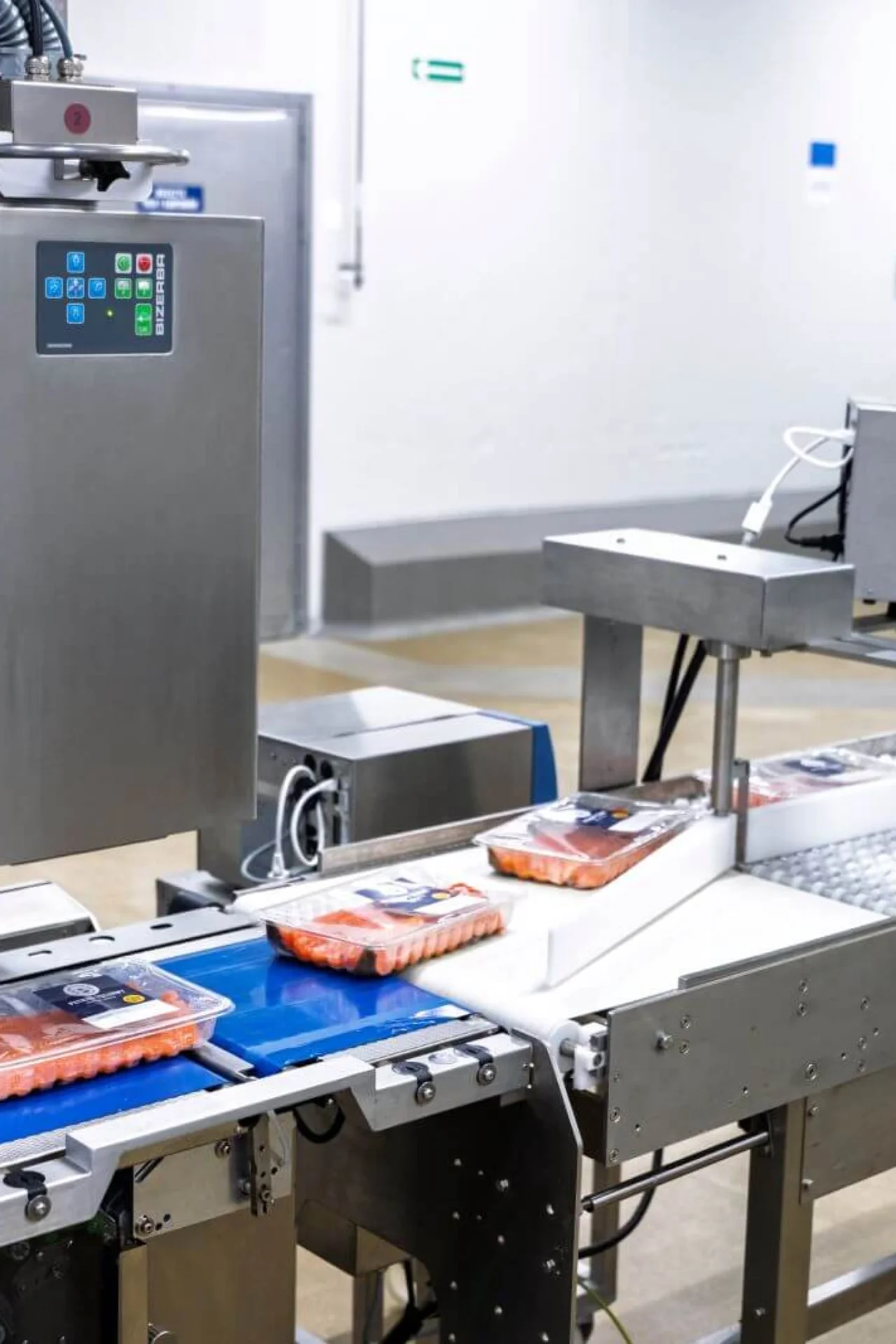
A coordinated inspection strategy detects these risks directly on the production line and enables faster corrective action. This reduces losses and prevents defective products from moving further through the process.
.webp)
Improving food safety with 100% inline label verification
The limitations of manual checks
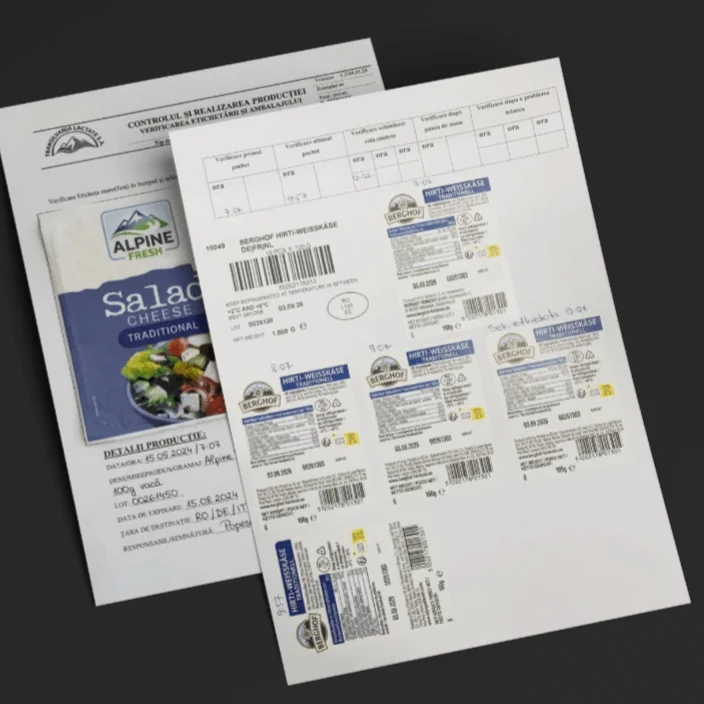
Manual label checks are still common in food production. They are typically carried out at defined intervals or after production line restarts.
While these checks can identify individual errors, they only cover a small share of the total production volume and depend on the availability of quality personnel.
This can lead to significant production losses. In one production environment, waiting for quality approval after production line restarts caused approximately one hour of downtime per shift. Across a two-shift weekday operation, this amounted to around 367 hours of missed production annually.
How inline label verification improves the process
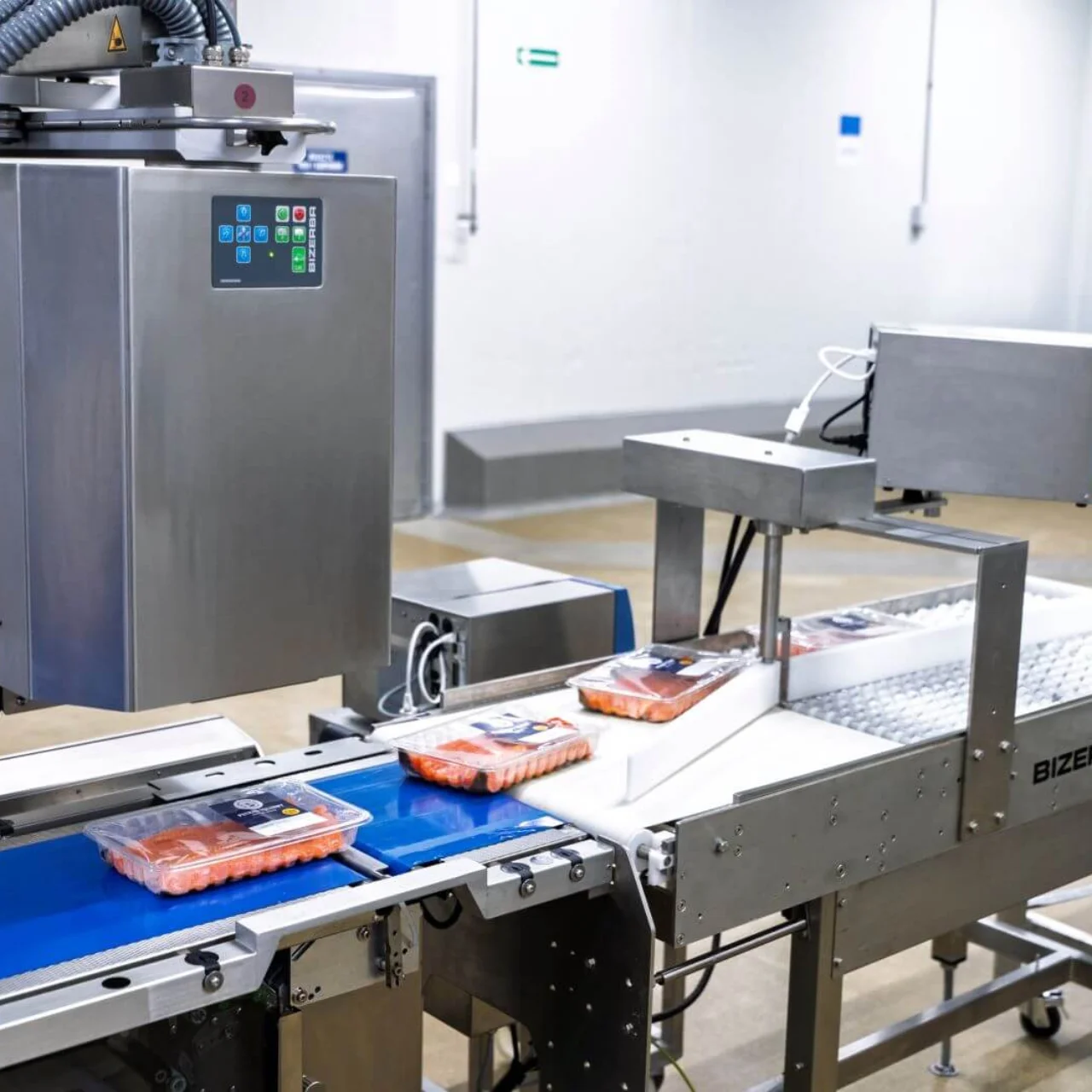
A 100% inline label inspection system automatically checks every package during production. Depending on the application, the system can verify:
- Printed label information: The system checks whether the correct product and label data are present.
- Date codes: Expiration dates and other relevant codes can be inspected automatically.
- Label placement: Missing labels can be detected immediately.
- Digital documentation: Inspection results are recorded consistently and remain available for quality assurance and traceability.
Packages that do not meet the defined requirements can be rejected directly on the production line, so that they do not proceed further through the production process.
Benefits for food manufacturers
Continuous label inspection creates measurable advantages beyond quality control. It helps manufacturers improve food safety and product compliance, increase traceability and process reliability, reduce manual checks and production delays, and prevent unnecessary rework and waste.
By replacing random checks with automated inspection solutions, manufacturers enhance their control over the labeling process and reduce the risk of incorrect products reaching the market.
Preventing food waste through package inspection
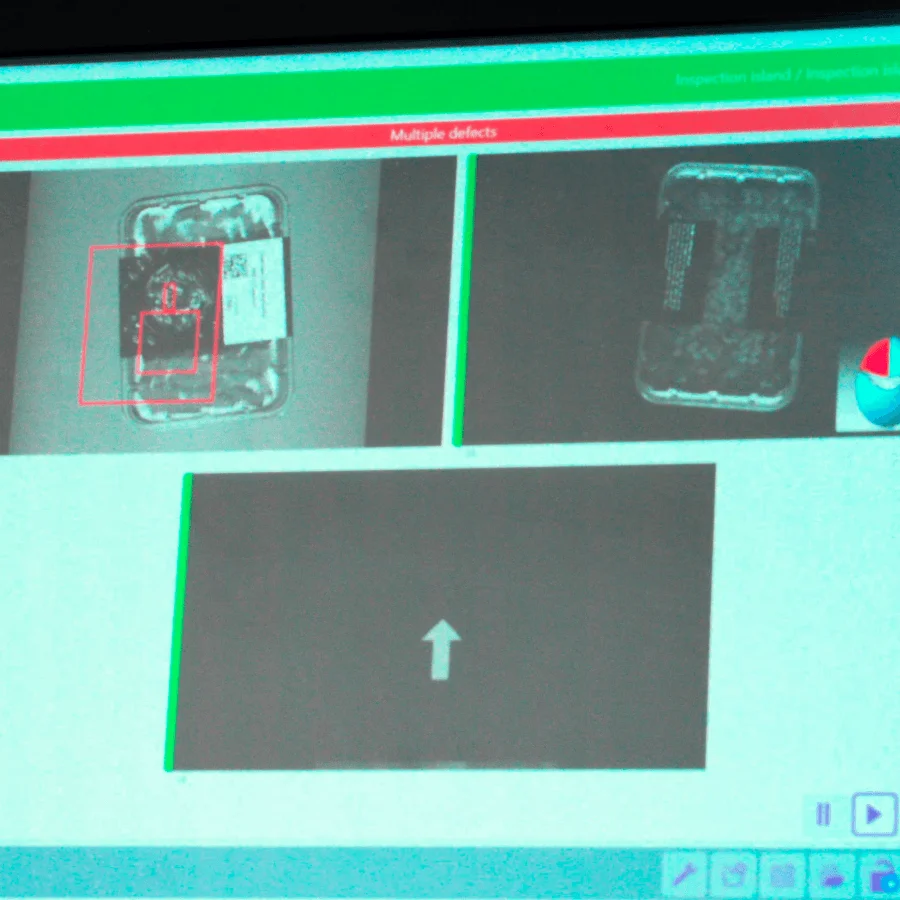
Small leaks, weak seals, and microcracks are often invisible to the human eye. They can reduce shelf life, cause products to spoil, and increase the possibility of customer complaints. That makes the inspection of the packaging itself another important topic when discussing package integrity.
In one application, a customer replaced a manual bubble-bath test with 100% inline leak detection. Every package was checked and documented during production. This significantly reduced rechecks and complaints and returned approximately one hour of employee productivity per shift.
Checking every package early not only makes it possible to identify small leaks and cracks in the packaging but also helps identifying the effects of wear and tear in upstream packaging equipment.
Preventing food waste by enhancing contamination detection with AI-supported inspection solutions
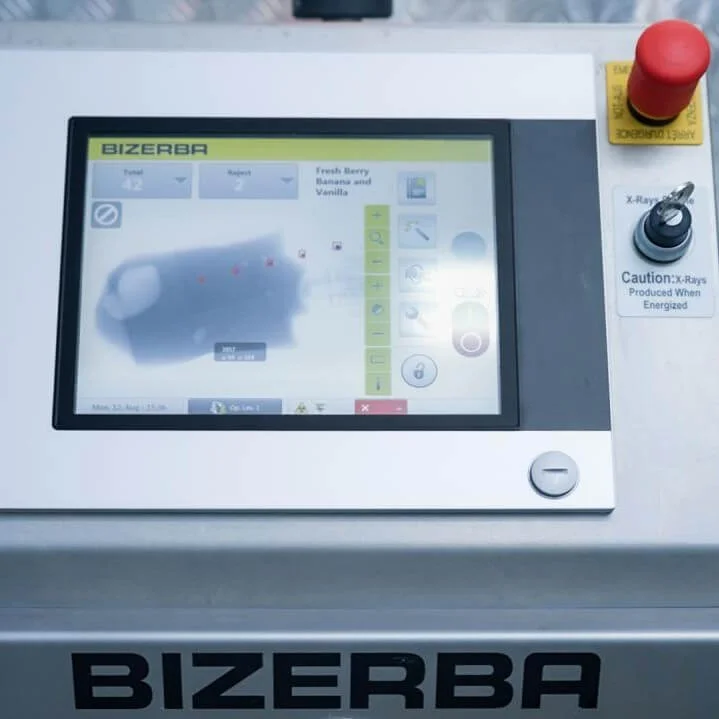
Contamination through foreign materials remains one of the most critical food safety risks. Affected products may need to be rejected or recalled, resulting in food waste as well as potential damage to consumer trust and brand image.
Conventional metal detectors and X-ray systems are established technologies and still the solutions of choice, but low-density foreign materials can be difficult to identify.
The good news: there’s also a solution for such low-density foreign body contaminants. Advanced X-ray systems combine high-performance sensor technology with AI-supported anomaly detection. This can reveal abnormalities that might be missed by conventional evaluation methods but become clearly visible in the X-ray image of advanced inspection systems.
Preventing material waste and supporting sustainability with linerless labeling
In addition to achieving product quality and production capacity requirements, meeting sustainability goals is a key factor in modern food production. The packaging and labeling materials used account for a significant portion of these sustainability goals in the food industry.
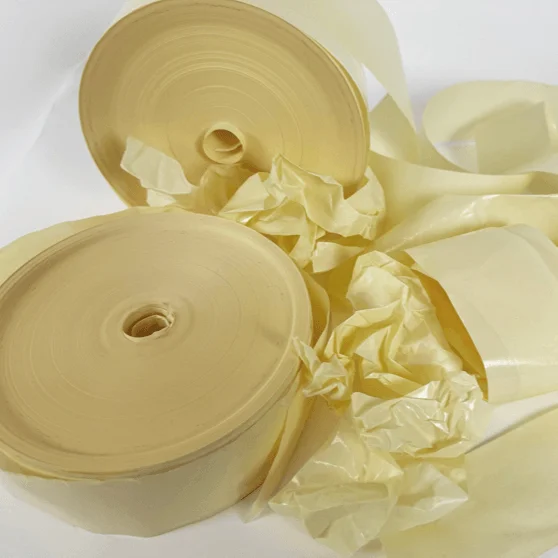
For example, in the labeling process, conventional self-adhesive labels require a release liner that becomes waste immediately after application.
The usage of innovative linerless labels eliminates this backing material and brings the additional advantage of allowing more labels on each roll. This reduces roll changes, storage requirements, and production interruptions.
Linerless labeling can create several measurable benefits:
-
No backing paper waste: Eliminating the release liner completely removes the waste created by this byproduct.
-
Greater production efficiency: Having more labels on each roll results in a reduced number of roll changes and helps to increase equipment uptime.
The following example illustrates perfectly how sustainable materials can not only reduce waste but also deliver measurable operational benefits enabling food manufacturers to prevent waste, improve uptime and lower costs through the usage of aligned label materials, package design, and application technology.
The impact of switching to linerless labels
Preventing waste and risk through the usage of integrated risk control solutions
There’s not a single technology that eliminates all kinds of risk. Reliable food safety and sustainable production require an integrated approach combining the following points into stable and transparent production processes:
-
Suitable packaging and labeling materials that support efficient production and reduce material waste.
-
Automated inline inspection that detects deviations directly during the production process.
-
Digital documentation of product inspection data providing food manufacturers with higher transparency and improved traceability.
-
Integrated software platforms help transforming inspection data into actionable insights for improving transparency, traceability and continuous process optimization.
By identifying and addressing risks directly on the production line, manufacturers can reduce or even prevent food and packaging waste, enhance efficiency and productivity, and also ensure product quality and full food safety for the end consumer.
Innovative materials and inspection solutions do more than prevent defects: they strengthen consumer trust, support sustainability goals, and protect the long-term value of food brands.