
Driving the future of food labelling: Sustainability, efficiency and CleanCut® linerless labels
New and upcoming labelling regulations are driving changes in packaging and labelling. The main driver is sustainability and better recycling options. Brands are shifting to recyclable materials, minimal inks and clearer information for the end user. Wash off adhesives are back at the forefront as are compostable and bio-based materials. They are currently quite a niche market, but the demand is growing. Smart labelling is also becoming more popular, with retailers introducing it more widely into chilled foods, not just electronics and beauty products. Retailers and brands want improved anti-theft measures and better traceability throughout the supply chain.
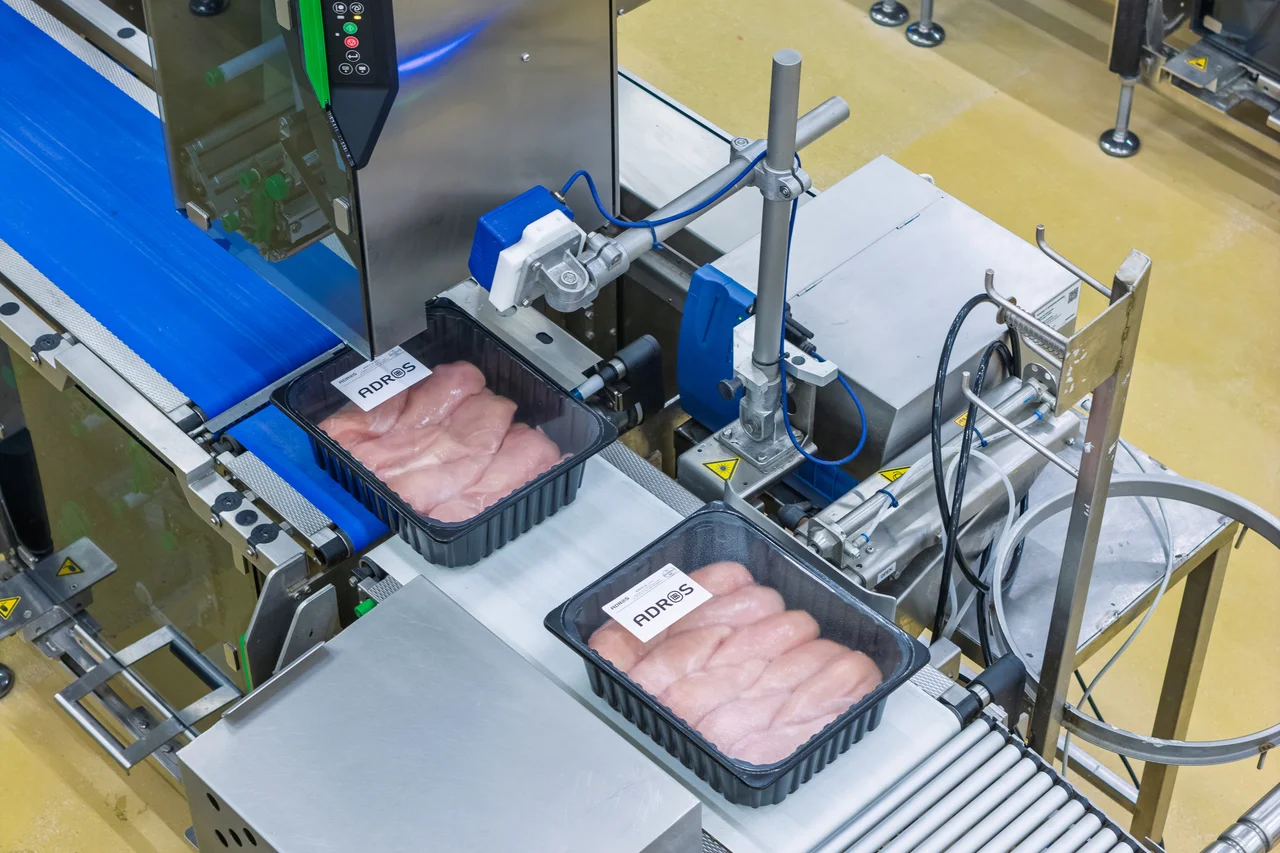
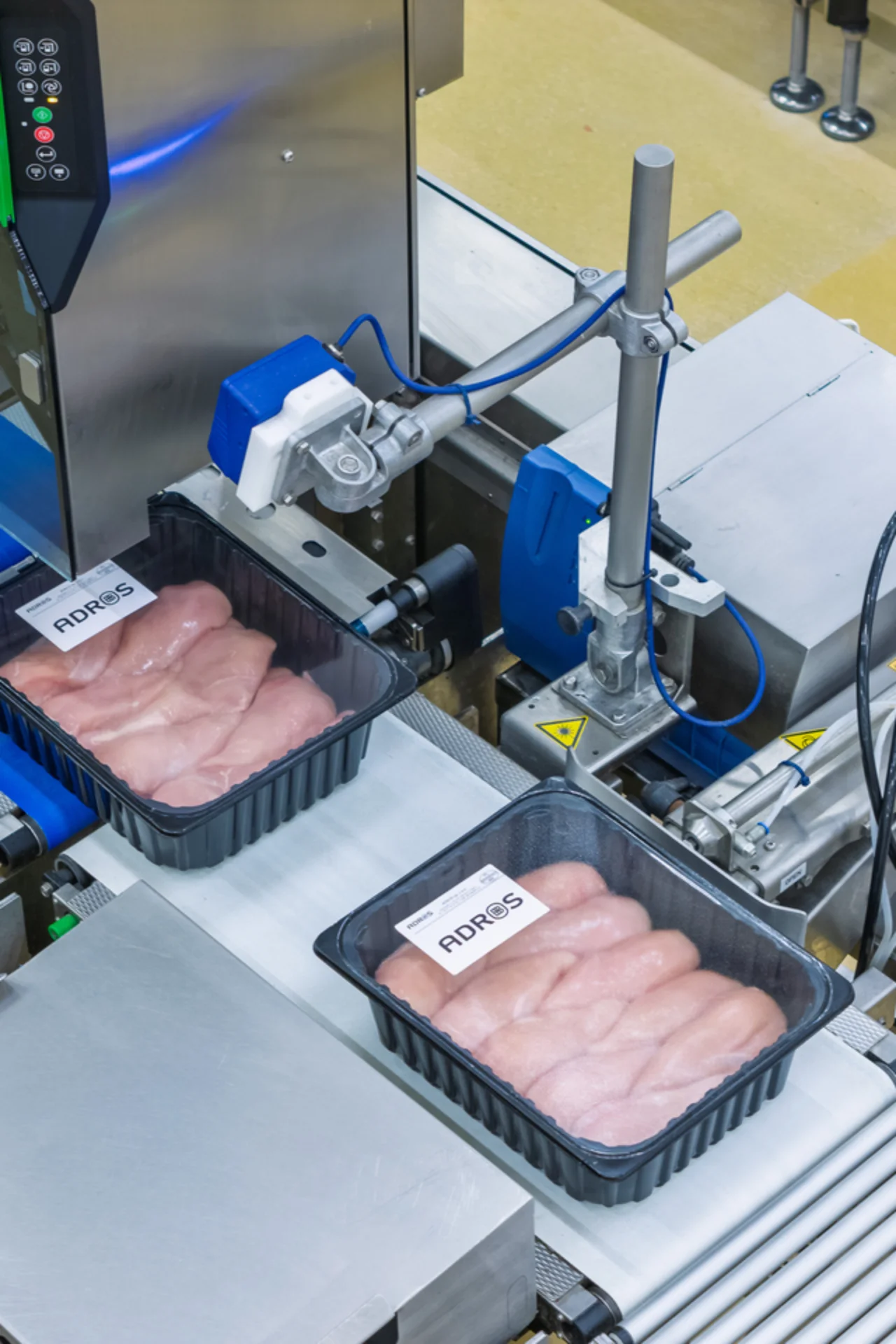
Linerless labels have exploded in recent years especially in the UK fresh and chilled foods sector as they solve multiple pain points at the same time these being cost, sustainability, speed and retailer compliance.
- Zero waste – Traditional self-adhesive labels use a silicone coated backing paper that ends up in waste. Linerless labels eliminate the liner completely which in turn reduces the waste disposal costs / helps brands / suppliers hit their sustainability targets. For chilled foods where volumes can be huge this is a major win.
- More labels on a reel = fewer change overs – There are more labels on a reel as there are no gaps between the images. The design is continuous and the labels are slit on the applicator before being applied onto the pack. Also, the added thickness of a backing paper on a standard label is removed with CleanCut® Linerless labels. So, as there are now more labels on a reel this then means fewer reels and less changeovers on the line. Which in turn means a higher throughput and less stoppages. This is a key requirement during peak production in today’s market.
- Lower transport and storage costs – More labels on a reel means fewer reels are required which means reduced warehouse space for both the producer and the customer. This in turn leads to less transport needs which means lower transport emissions resulting in a lower carbon footprint.
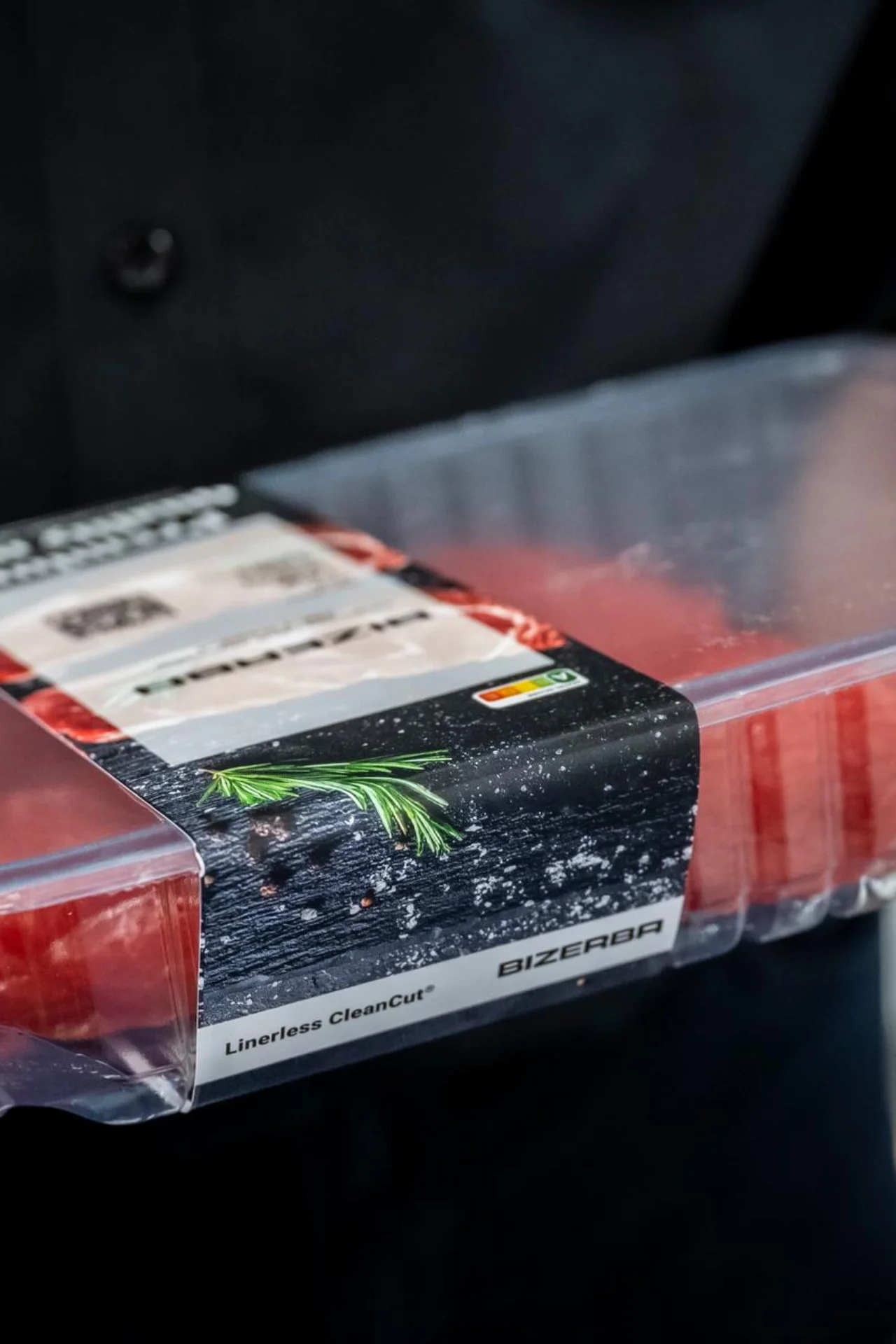
The Bizerba linerless labelling system is called CleanCut®. This is because there are gaps in the adhesive on the reverse of the label. The gaps in the adhesive allow for the blade on the applicator to cut cleanly through the label with no build-up of adhesive on the blade. Other systems on the market have a continuous adhesive strip on the reverse and after the blade cuts through the adhesive multiple times it can lead to a build up of glue on the blade which in turn can cause downtime on the lines
The Bizerba CleanCut® technology offers food manufacturers the same benefits as the existing linerless solution but with the added benefit of reduced downtime due to the glue gap system. Our customers want to be able to run efficiently with little or no downtime on the lines and the Bizerba CleanCut® system supports this.
Imagine having 10 lines in a production facility and you must stop the line for 10 mins for 3 times a day to clean the blades.
By changing to CleanCut® linerless labels, you could recover 30 minutes per line per day. That’s 300 minutes, or 5 hours of additional production time gained every single day. Over a standard working week, that equates to 25 extra production hours.
With production potentially valued at £3,000 per hour, this improvement represents the opportunity to unlock more than £15,000 of additional production capacity per day or £75,000 per week.
For food manufacturers, keeping downtime and waste to an absolute minimum is critical. This is exactly where Bizerba’s CleanCut® technology delivers value, helping maximise uptime, reducing waste, and protecting profitability.
Clean cut labels offer several environmental advantages to standard self-adhesive labels. Many of those we have already discussed:
Zero waste due to no silicon liner waste and ability to run labels down to the core and more labels on a reel = less storage space and transport requirements, resulting in a lower carbon footprint
In the UK, there is a big shift away from plastic packaging and more paper board materials. Paper and board products are more readily recyclable in the UK whereas plastic recycling is inconsistent and many products like black trays and films are unable to be recycled.
Paper is seen as coming from sustainably managed forests whereas plastics are seen as being produced from fossil fuels with energy intensive extraction.
UK retailers have clear packaging goals to reduce plastic, increase recyclability and cut carbon emissions.
In Europe, the Packaging and Packaging Waste Regulation (PPWR) has been introduced. This is EU’s major new legislation designed to transform how packaging is designed, used and recycled across the region.
Although the UK is no longer part of the EU, PPWR still has significant implications for UK food manufacturers, retailers, and packaging suppliers, particularly those exporting to or supplying European markets.
CleanCut® linerless labels are an ideal fit with PPWR objectives, as the regulation focuses on: reducing packaging waste, improving recyclability eliminating unnecessary materials lowering carbon footprint and simplifying packaging formats.
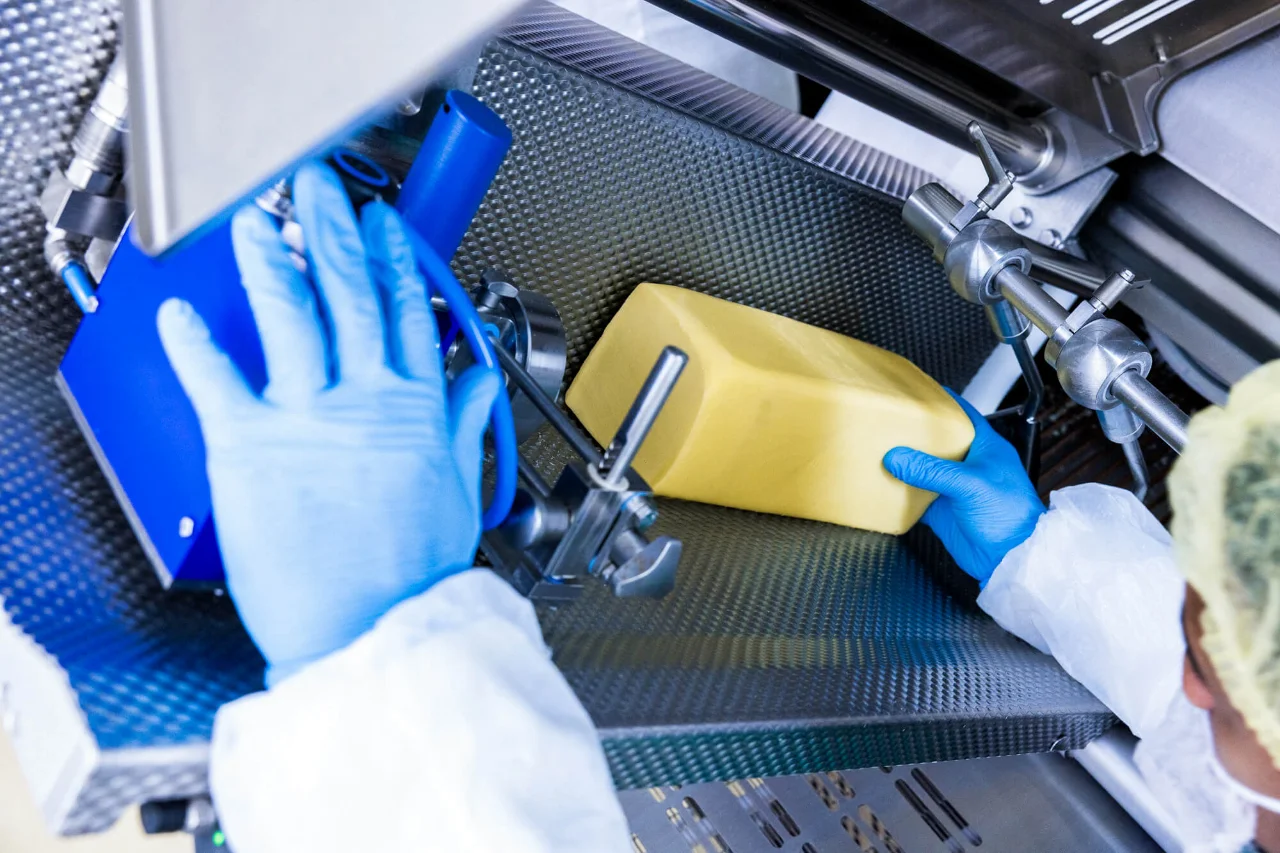
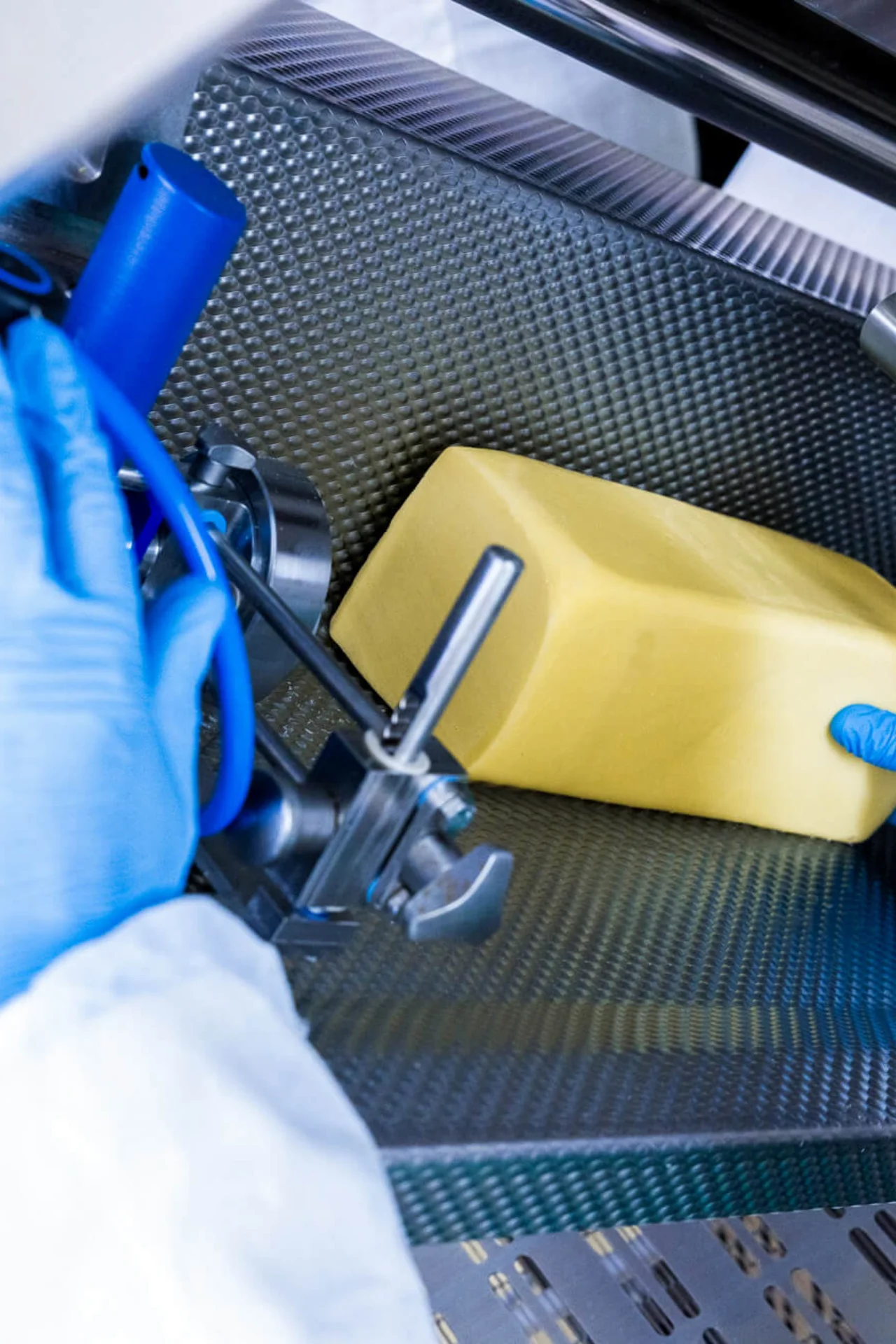
It’s very easy to implement the new Bizerba linerless solution into an existing production line. Bizerba’s extensive product portfolio includes solutions for food processing, weighing, slicing, labelling, packaging, and inspection. Each system is developed to maximise operational efficiency, precision and sustainability across various industries. Whether for retail or large-scale industrial operations, Bizerba provides reliable and customisable solutions to streamline processes, improve product quality, and ensure compliance with industry regulations. Our technology is designed to support businesses in achieving long-term success.
Bizerba offers a complete CleanCut® solution from a single source, combining the latest weighing and labelling technology with CleanCut® linerless labels, intelligent software, global service support, and flexible financing.
The future is looking extremely bright for linerless labels. Right now, linerless labels are dominant in the meat, fish and poultry sectors with 90% of the market already switched over to this type of labelling. We are starting to see more demand in the bakery and produce sectors and I see the next wave happening with ready meals, chilled prepared foods and premium convenience foods. Innovation will come through wash off adhesives and high moisture resistant materials. The integration of smart labelling whether it be through RF tags or QR codes and the ability to link AI into the label itself.

Any questions?
Your message is on it’s way
The form was sent successfully
Oops, something went wrong here
An error occurred when sending the form. Please try again